Indian Land homeowners saw their July electric bills spike 23% higher than last summer, according to Duke Energy’s latest residential usage data. Ross Armstrong from Atlas Heating & Cooling in Rock Hill has diagnosed over 40 miscalibrated thermostats this summer season across Indian Land neighborhoods like Bridgewood, Fairfield, and Carriage Hills. A thermostat that reads 72°F but actually maintains 68°F forces your AC system to overcool, driving up energy costs by $45-80 monthly during Carolina summers.
What to Do About AC Thermostat Issues in Indian Land
- Check your thermostat reading against a separate digital thermometer placed 3 feet away
- Look for temperature swings greater than 3°F between thermostat cycles
- Note if your AC runs constantly during 85°F+ days (normal cycle: 15-20 minutes on, 5-10 minutes off)
- Test both heating and cooling modes before September when repair demand peaks
- Schedule calibration service if your home feels uncomfortable despite thermostat settings
- Document your hourly energy usage through Duke Energy’s online portal for pattern analysis
Why AC Thermostats Lose Accuracy in Indian Land
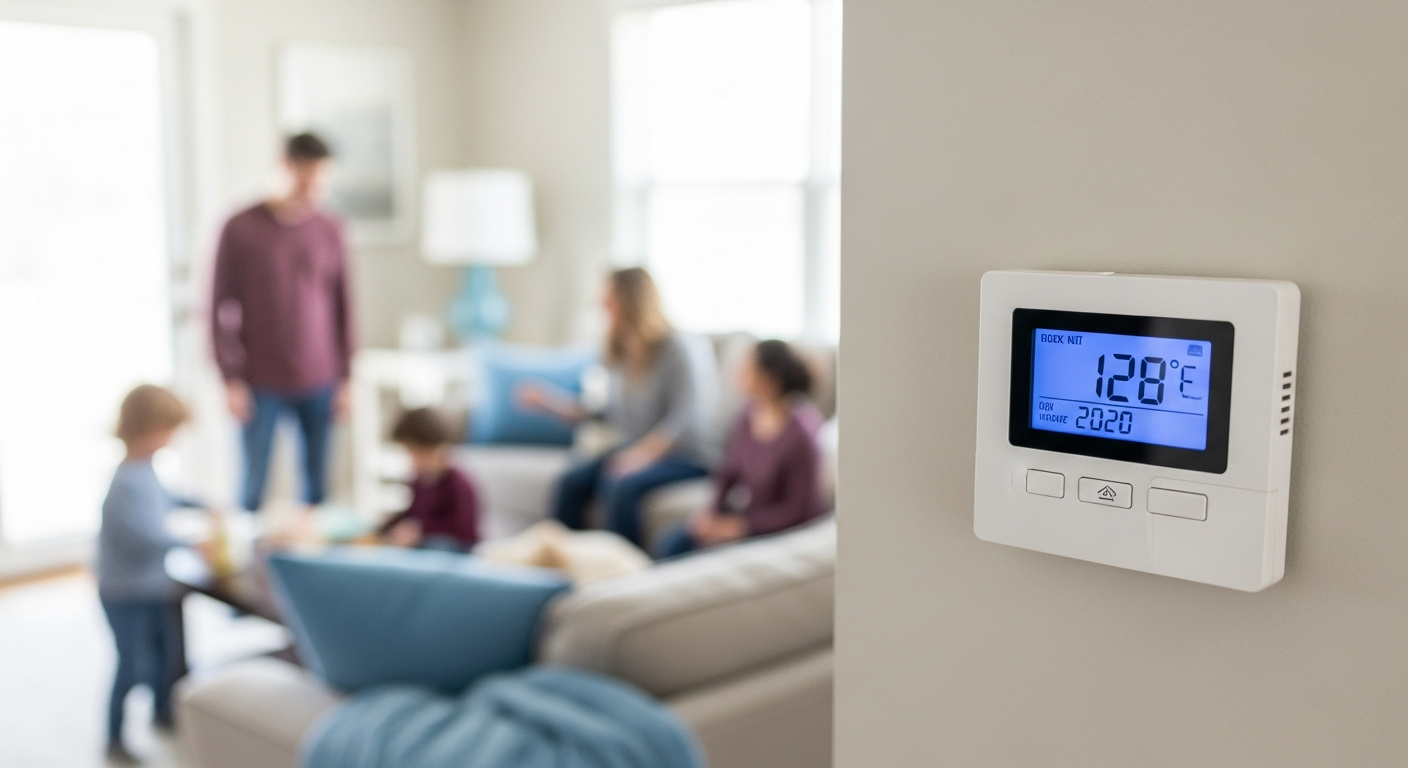
Thermostat sensors drift from their factory calibration over 5-7 years of operation. South Carolina’s humidity levels average 76% during summer months, causing internal components to expand and contract repeatedly. This mechanical stress shifts the temperature sensor’s baseline reading by 2-5°F.
Digital thermostats contain thermistors – temperature-sensitive resistors that change electrical resistance based on ambient temperature. When these components age in Indian Land’s climate, they develop what HVAC technicians call “calibration creep.” Your thermostat might display 74°F while the actual room temperature sits at 70°F, forcing your AC to run 30% longer than necessary.
The problem compounds in newer Indian Land subdivisions built after 2010. These homes feature improved insulation that holds conditioned air longer, making small thermostat errors more noticeable. A 3°F calibration error in a well-insulated 2,200 square foot home costs an additional $67 monthly in cooling expenses, based on Duke Energy’s current 11.7¢ per kWh residential rate.
High Energy Bills from AC Temperature Sensor Issues Indian Land
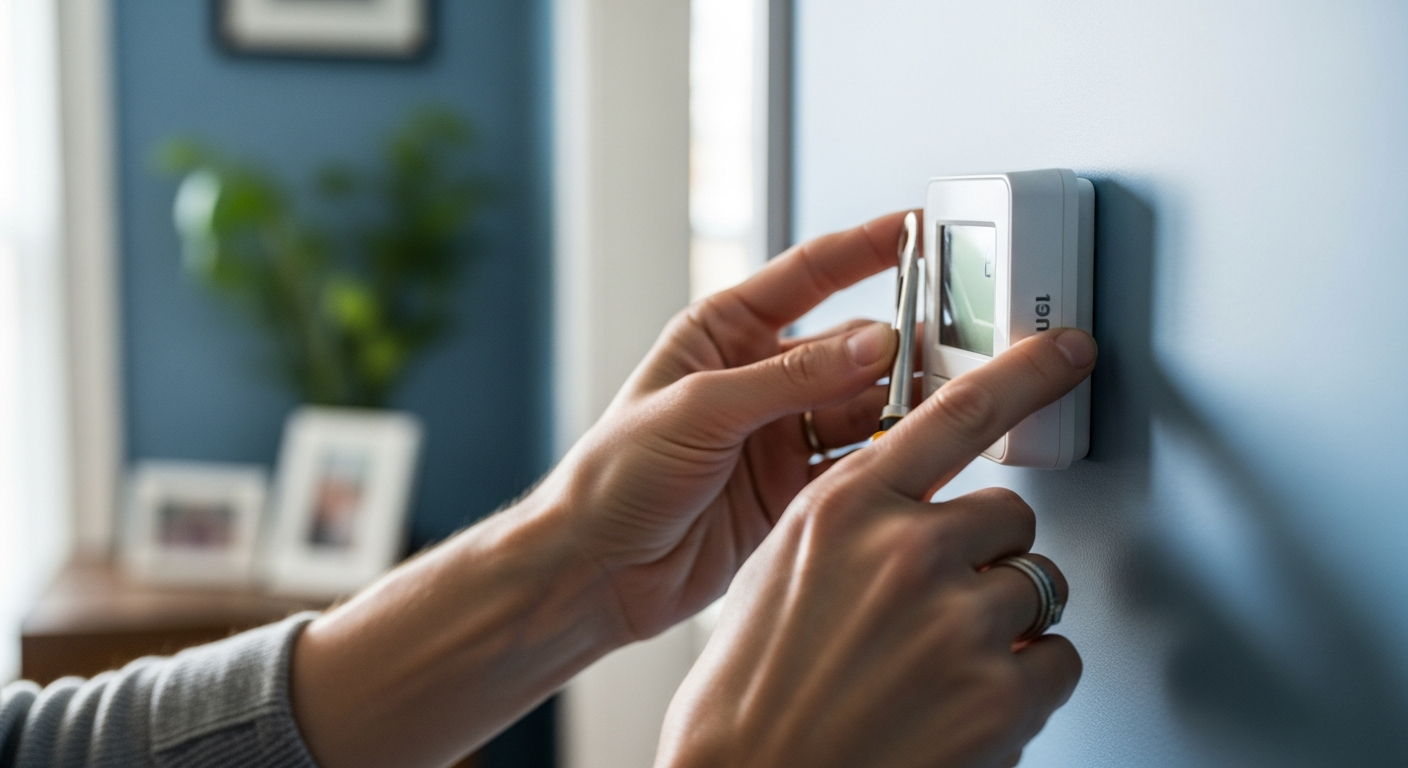
Indian Land’s housing stock presents unique thermostat challenges that drive up summer cooling costs. The Bridgewood and Providence subdivisions contain hundreds of homes built between 2005-2015 with original Honeywell and White-Rodgers thermostats now reaching their calibration limits.
Lancaster County’s building codes require new construction to maintain indoor temperatures within 2°F of thermostat settings during inspections. However, no ongoing calibration requirements exist for existing homes. This regulatory gap means thousands of Indian Land residents operate with miscalibrated systems without realizing the energy waste.
Indian Land’s geography creates additional thermostat stress. Homes in Carriage Hills and Fairfield sit on elevated terrain exposed to afternoon sun, while properties near the Catawba River experience higher humidity. These microclimates force thermostats to work harder, accelerating sensor degradation. Ross Armstrong documented temperature variations of 8°F between morning and afternoon readings in sun-exposed homes with failing sensors.
Modern programmable thermostats compound calibration issues through complex scheduling algorithms. When the base temperature reading shifts by 3°F, every programmed setpoint becomes inaccurate. A homeowner setting 76°F for daytime cooling actually maintains 73°F, increasing runtime by 25-30% during peak afternoon hours when Duke Energy’s demand charges hit their highest levels.
Signs Your Thermostat Needs HVAC Calibration in Indian Land
Watch for AC systems that cycle every 8-10 minutes during moderate weather days in the 80-85°F range. Properly calibrated thermostats should maintain 15-20 minute cycles during these conditions. John Sorrell from Atlas Heating & Cooling explains that short cycling indicates the thermostat sensor reads higher temperatures than actual conditions, triggering premature cooling activation.
Temperature dead zones provide another calibration warning sign common in Indian Land’s two-story homes. When your upstairs feels comfortable but the main floor stays warm despite identical ductwork, the thermostat sensor likely reads inaccurately. This problem appears frequently in Providence and Bridgewood homes where thermostats mount on interior walls near kitchen areas that generate additional heat.
How Atlas Heating & Cooling Diagnoses Thermostat Problems
Atlas Heating & Cooling uses Fluke 116 digital multimeters to test thermistor resistance values against manufacturer specifications during their diagnostic process. Ross Armstrong’s team places calibrated reference thermometers at multiple locations throughout Indian Land homes to map actual temperature distributions versus thermostat readings.
Their calibration service includes cleaning internal contacts that accumulate dust and humidity residue over Carolina summers. “We opened a 6-year-old Honeywell thermostat in Carriage Hills last week that had visible corrosion on the temperature sensor leads,” explains Stephen Estes. “The homeowner’s bills dropped $52 the following month after we cleaned and recalibrated the unit.”
One Bridgewood customer’s review mentioned technician John’s thorough approach: “He spent 45 minutes testing our thermostat with different instruments and showed us exactly how far off our readings were. Our Duke Energy bill went from $287 in July to $223 in August after the calibration service.”
Atlas Heating & Cooling’s “Atlas Assurance” maintenance plan includes annual thermostat calibration checks as part of their comprehensive tune-up service. This preventive approach catches sensor drift before it significantly impacts energy costs, particularly valuable for Indian Land’s newer homes still under warranty.
Indian Land homeowners dealing with unexplained high energy bills should consider thermostat calibration before assuming their AC system needs major repairs. Professional calibration costs $125-175 but typically saves $40-70 monthly during cooling season. Contact Atlas Heating & Cooling for AC repair services or schedule a comprehensive HVAC maintenance evaluation to identify thermostat issues before your next Duke Energy bill arrives.
Frequently Asked Questions
How often should thermostats be calibrated in Indian Land’s climate?
Every 3-4 years for homes built after 2010, or every 2-3 years for older systems exposed to higher humidity levels. Indian Land’s average summer humidity of 76% accelerates sensor degradation compared to drier climates. Atlas Heating & Cooling recommends calibration checks during spring tune-ups before peak cooling season begins.
Can I calibrate my own thermostat or do I need professional service?
Digital thermostats require specialized equipment to access internal calibration settings and test sensor accuracy. Most residential models don’t include user-accessible calibration features. Professional technicians use reference-grade thermometers and multimeters to verify sensor readings and adjust internal parameters that aren’t available through standard programming menus.
Why do some Indian Land neighborhoods have more thermostat problems than others?
Construction era and exposure patterns create different calibration lifespans across subdivisions. Bridgewood and Providence homes built 2005-2015 now reach the typical 7-year sensor degradation point. Additionally, homes on elevated terrain like Carriage Hills experience greater temperature swings that stress thermostat components more than river-adjacent properties with stable microclimates.