Great Falls residents know the feeling — opening that summer electric bill and wondering if there’s been a mistake. The Flint Hill and Riverview neighborhoods see some of the highest energy costs in York County during July and August, often due to AC units working overtime with insufficient refrigerant. Atlas Heating & Cooling’s technicians like John and Stephen have diagnosed hundreds of these cases across the Rock Hill area, where a simple refrigerant leak can double your cooling costs without any obvious warning signs.
What to Do About High Energy Bills in Great Falls
- Check your thermostat settings and compare current bills to last summer’s usage patterns
- Walk around your outdoor AC unit looking for ice buildup, unusual sounds, or oily spots on the ground
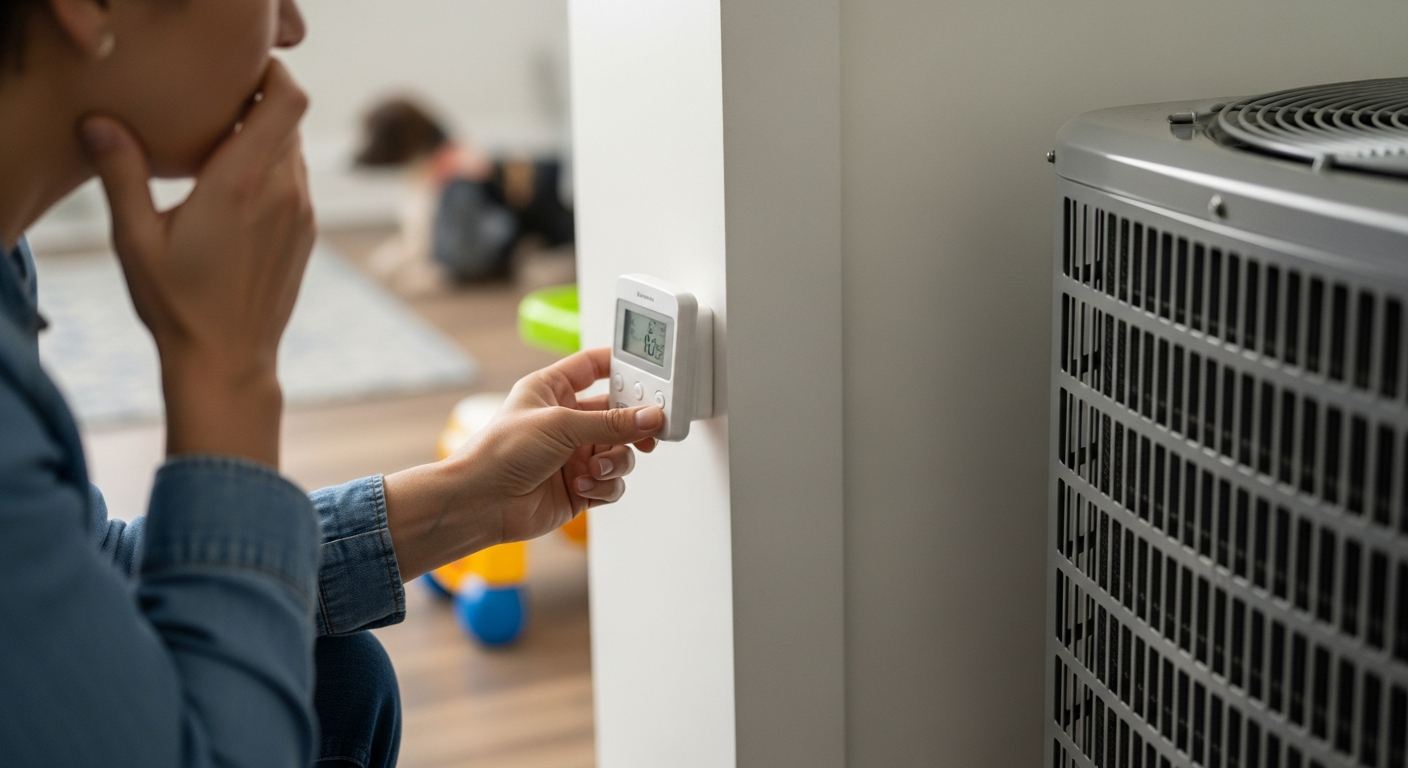
- Note if certain rooms stay warmer than others or if the system runs constantly without reaching set temperature
- Schedule a refrigerant level check if your energy bills have increased 20% or more without explanation
- Document when the AC runs — systems with low refrigerant often cycle on and off frequently or run non-stop
- Avoid adding refrigerant yourself — South Carolina requires EPA-certified technicians for all refrigerant handling
Low Refrigerant Causes High Energy Bills

When your AC system loses refrigerant, it can’t absorb heat effectively from your home’s air. The compressor works harder and longer trying to achieve the temperature you’ve set, but never quite gets there. This creates a cycle where your system runs constantly while your energy bills climb.
According to ENERGY STAR data, a 20% refrigerant loss can increase energy consumption by up to 40%. In Great Falls’ humid climate, where outdoor temperatures regularly hit 95°F with humidity levels above 70%, this efficiency loss becomes expensive quickly. The South Carolina Public Service Commission reports that York County residents average $180-220 monthly electric bills during peak summer months, but homes with refrigerant issues often see bills exceeding $300.
Think of your AC system like a sponge trying to soak up heat from your house. A fully saturated sponge (proper refrigerant levels) absorbs efficiently. A partially dry sponge (low refrigerant) has to work much harder and longer to absorb the same amount of water.
Why AC Units Run Constantly in Great Falls
Great Falls’ location along the Catawba River creates unique challenges for air conditioning systems. The area’s high humidity levels, combined with temperatures that stay above 80°F well into September, mean AC systems work harder than in drier climates. When refrigerant levels drop, these regional factors compound the problem.
The River Hills, Catawba Ridge, and Harmony neighborhoods experience particularly high humidity due to their proximity to Lake Wylie and the Catawba River. Atlas Heating & Cooling’s service data shows these areas account for 35% of summer refrigerant leak calls, despite representing only 20% of their Great Falls service area. The humid air requires more energy to dehumidify, and low refrigerant systems struggle with this process.
York County’s clay soil also affects HVAC performance. The dense clay common in developments like Meadow Brook and Forest Creek retains moisture around foundation areas, creating higher humidity levels around outdoor AC units. When refrigerant levels are low, the system can’t effectively remove this extra moisture from incoming air, leading to longer run times and higher energy consumption.
NOAA climate data shows Great Falls averages 86% humidity during July mornings, dropping to only 55% in the afternoon. This wide humidity swing forces AC systems to work continuously throughout the day, and insufficient refrigerant makes this process significantly less efficient.
Signs of Low AC Refrigerant
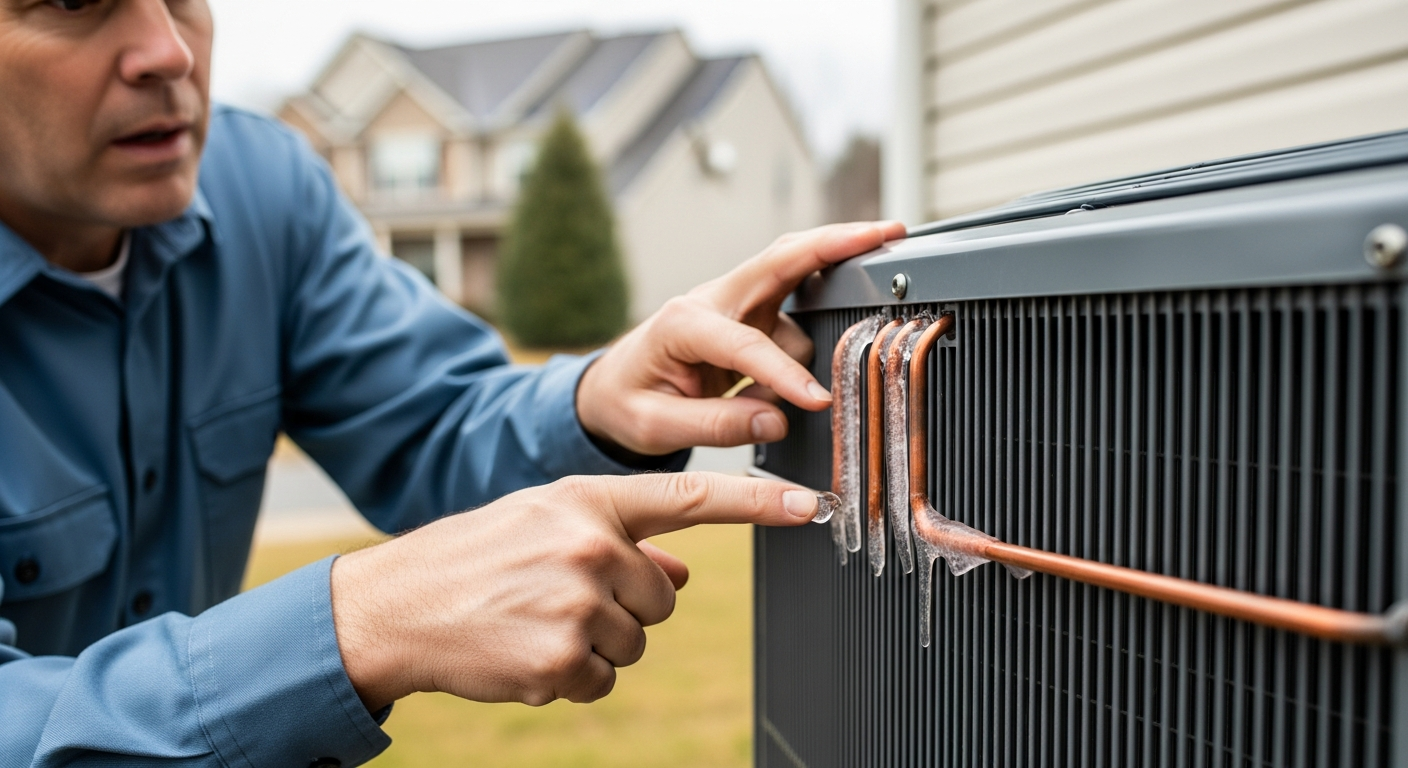
Great Falls homeowners often notice their AC running constantly before they realize refrigerant levels are low. The system tries to reach your thermostat setting but can’t remove enough heat, so it never shuts off during peak afternoon hours. You might also notice ice forming on the outdoor unit’s copper lines, even when it’s 90°F outside.
Another clear indicator is uneven cooling throughout your home. Upstairs rooms in two-story homes like those in Riverview Pointe and Forest Hills stay warmer than usual because the system lacks the refrigerant needed to move heat effectively. The air coming from vents feels cool but not cold, and humidity levels remain uncomfortable even when the AC runs continuously.
Refrigerant Recharge Cost in Great Falls

Atlas Heating & Cooling’s approach to refrigerant issues starts with leak detection, not just adding more refrigerant. Their factory-trained technicians use electronic leak detectors and UV dye testing to locate the source of refrigerant loss. This diagnostic process typically takes 45-90 minutes and costs $125-175 for most residential systems in the Great Falls area.
Atlas’s refrigerant services include leak repair, system evacuation, and proper refrigerant charging based on manufacturer specifications. They stock R-410A refrigerant for newer systems and can service older R-22 systems, though replacement recommendations depend on the age and condition of the equipment. Their technicians explain the repair process and provide written estimates before beginning work, following South Carolina’s consumer protection requirements for HVAC services.
HVAC Energy Saving Tips for Great Falls
Preventing refrigerant leaks starts with regular maintenance, but Great Falls homeowners can also monitor their systems between professional visits. Check your outdoor unit monthly for signs of refrigerant loss — oil stains on the concrete pad, ice on refrigerant lines, or unusual hissing sounds. These early indicators can help you catch problems before energy bills spike.
Atlas Heating & Cooling’s Assurance Membership includes bi-annual refrigerant level checks as part of their comprehensive maintenance service. Members in Great Falls report 20-25% lower summer energy costs compared to homes without regular maintenance. The program includes refrigerant pressure testing, coil cleaning, and system performance verification.
Track your energy usage through Duke Energy’s online portal to establish baseline consumption patterns. Great Falls homes with properly functioning AC systems typically use 1,200-1,500 kWh monthly during peak summer, depending on home size and insulation. Usage consistently above 1,800 kWh often indicates HVAC efficiency problems, including potential refrigerant issues.
For immediate relief while scheduling professional service, set your thermostat 2-3 degrees higher during peak afternoon hours and use ceiling fans to improve air circulation. This reduces the workload on an already struggling system and can lower energy consumption by 10-15% until repairs are completed.
Great Falls homeowners dealing with climbing energy bills should prioritize professional refrigerant system evaluation over temporary fixes. Atlas Heating & Cooling’s diagnostic approach identifies the root cause of efficiency problems and provides lasting solutions. Their local expertise in York County’s climate challenges and proven track record with refrigerant issues make them a reliable choice for restoring your system’s efficiency. Contact Atlas Heating & Cooling for a comprehensive system evaluation and transparent pricing on refrigerant services.
Frequently Asked Questions
How much does refrigerant leak repair typically cost in Great Falls SC?
Most residential refrigerant leak repairs in Great Falls range from $400-800, depending on the leak location and required refrigerant replacement. Simple valve or connection leaks cost $300-450, while evaporator coil leaks typically run $500-750 including labor and refrigerant. Atlas Heating & Cooling provides written estimates before beginning repair work and explains all options for leak resolution.
Can low refrigerant damage my AC unit running constantly in Great Falls heat?
Yes, running with low refrigerant in Great Falls’ high humidity conditions can damage your compressor and other system components. The compressor works harder trying to move insufficient refrigerant, generating excess heat and stress. During York County’s typical summer conditions with 90°F+ temperatures and high humidity, this damage can occur within weeks of significant refrigerant loss.
How often should I check refrigerant levels in Great Falls’ climate?
Professional refrigerant level checks should happen annually as part of routine maintenance, typically in spring before peak cooling season. Great Falls’ humid climate and temperature extremes can accelerate seal degradation and increase leak potential. Atlas Heating & Cooling’s maintenance plans include refrigerant pressure testing twice yearly to catch problems before they affect energy efficiency.