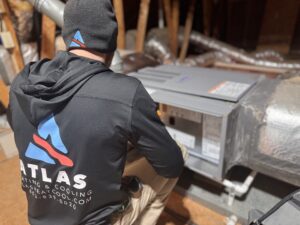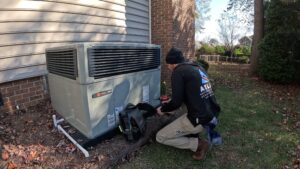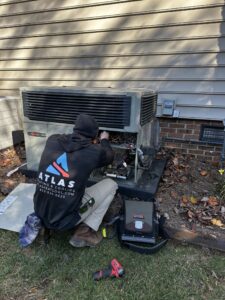
Homes in Clover’s Bethel Heights and Meadowbrook neighborhoods could be losing 20-30% of their conditioned air through leaky ductwork hiding in crawl spaces and attics. Ross Armstrong and the factory-trained team at Atlas Heating & Cooling see this problem regularly in York County homes, where 15-year-old duct systems develop pinhole leaks and loose connections that go unnoticed until energy bills spike. Spring represents the ideal window for duct inspection before summer cooling demands expose the full cost of these hidden energy leaks. ## What to Do About Leaky Ductwork in Clover SC – Schedule a professional duct inspection before Memorial Day weekend when cooling loads increase
- Check your HVAC filter monthly – dirty filters force systems to work harder through compromised ductwork
- Walk around your crawl space or accessible duct areas looking for obvious disconnections or damage
- Monitor monthly energy bills for unexplained increases compared to previous spring seasons
- Test airflow at each register using tissue paper – weak airflow often indicates upstream duct leaks
- Document hot and cold spots throughout your home that might signal duct problems ## Why Ductwork Fails in York County Homes According to Lawrence Berkeley National Laboratory studies, the average home loses 20-30% of conditioned air through duct leaks, with some homes losing up to 40%. Clover’s housing stock includes many homes built between 1990-2010 when duct sealing standards were less stringent than today’s requirements. The Piedmont region’s clay soil creates foundation settling that stresses ductwork connections over time. Temperature swings between Clover’s humid 90°F summers and occasional winter freezes below 25°F cause metal ducts to expand and contract, loosening joints sealed with basic duct tape rather than proper mastic. Most ductwork in local crawl spaces wasn’t designed for the 15-20 degree temperature differential between conditioned spaces and unconditioned areas. Homes in neighborhoods like Bethel School Road and Old York Road often have flex ducts that develop kinks or tears where they navigate around floor joists. These problems compound when South Carolina’s average humidity levels exceed 70% during spring months, creating condensation that deteriorates duct insulation and promotes mold growth around leak points. ## Clover Home Energy Efficiency Challenges This Spring HVAC airflow problems in Clover homes intensify during spring transition periods when systems cycle frequently between heating and cooling modes. The area’s variable weather patterns – where March temperatures can swing 40 degrees in a single week – stress ductwork that’s already compromised by years of thermal cycling. Neighborhoods along Highway 55 and Kings Mountain Street feature split-level homes where ductwork travels long distances from central units to upper floors. These extended duct runs multiply energy loss from even small leaks. A 1/8-inch hole in ductwork can waste $200-300 annually in lost conditioned air, according to ENERGY STAR calculations. Clover’s proximity to Charlotte means many residents commute daily, leaving homes unoccupied during peak temperature hours. Leaky ductwork forces HVAC systems to run longer cycles to maintain setpoint temperatures, eliminating energy savings from programmable thermostats. This problem becomes acute in Brookdale and Timber Ridge subdivisions where homes feature open floor plans that rely heavily on proper air distribution. The City of Clover’s building department requires duct pressure testing for new construction, but homes built before 2015 often lack this verification. Duct sealing benefits in Clover include reduced energy costs, improved indoor air quality, and enhanced comfort – particularly important given the area’s tree pollen loads that infiltrate through duct leaks each spring. ## Spring Energy Loss Warning Signs Watch for uneven temperatures between rooms, especially second-floor bedrooms that feel stuffy while main floors remain comfortable. Clover homes with leaky return ducts often pull unconditioned air from crawl spaces, creating humidity problems and musty odors that worsen during spring rain periods. Excessive dust accumulation around supply vents indicates ductwork is pulling contaminated air from crawl spaces or attics. Listen for whistling sounds from ductwork during system operation – this often signals significant air leaks at connection points. Your energy bills shouldn’t increase more than 15-20% between winter heating and spring cooling transitions if ductwork is properly sealed. ## Professional Leaky Ductwork Repair in Clover SC Atlas Heating & Cooling uses thermal imaging cameras and duct blaster testing to identify leak locations that aren’t visible during standard inspections. Stephen Estes and the technical team perform comprehensive pressure testing that measures actual cubic feet per minute of air loss – data that determines whether repair or replacement provides better value. Their duct sealing process involves cleaning connection points, applying professional-grade mastic sealant, and wrapping joints with approved foil tape. Unlike temporary fixes using hardware store duct tape, proper mastic sealing maintains effectiveness for 15-20 years in York County’s climate conditions. One Clover customer reported 35% reduction in cooling costs after Atlas completed ductwork repairs in their Bethel Elementary area home, eliminating hot spots in upstairs bedrooms that had persisted for three summers. The team also addresses ductwork support issues common in crawl space installations, where sagging ducts create low spots that collect condensation. Atlas Heating & Cooling’s preventative maintenance program includes annual duct inspection as part of their comprehensive system evaluation, helping identify developing problems before they impact energy efficiency. Spring duct inspection makes sense in Clover because moderate temperatures allow technicians to work comfortably in crawl spaces while identifying problems before summer heat amplifies energy losses. Professional repair typically pays for itself within 2-3 cooling seasons through reduced energy consumption and improved system longevity. Contact Atlas Heating & Cooling at their Rock Hill location to schedule ductwork evaluation before temperatures climb into the 80s consistently. Their factory-trained technicians understand local construction patterns and can recommend AC maintenance strategies that complement duct sealing improvements. Don’t wait until July utility bills reveal the full cost of winter duct damage – schedule your spring HVAC inspection while repair scheduling remains flexible. ## Frequently Asked Questions #### How much does leaky ductwork repair cost in Clover SC homes? Professional duct sealing typically ranges from $1,500-3,500 for average Clover homes, depending on ductwork accessibility and leak severity. Atlas Heating & Cooling provides detailed estimates after pressure testing that identifies specific repair scope. Most homeowners recover costs within 24-36 months through energy savings, with additional benefits including improved comfort and indoor air quality. #### When should Clover homeowners schedule duct inspection? April through early May offers ideal conditions for ductwork evaluation in York County. Moderate temperatures allow thorough crawl space inspection while systems aren’t under peak cooling loads. Scheduling before Memorial Day weekend ensures repairs complete before summer energy demands expose the full cost of duct leaks. #### Can I seal ductwork myself or do I need professional service? Visible duct tape repairs and obvious disconnections can be addressed with proper materials, but comprehensive leak detection requires specialized pressure testing equipment. Professional duct sealing includes system balancing and airflow verification that ensures repairs actually improve efficiency rather than creating new pressure imbalances. Most DIY attempts miss 60-70% of actual leak locations that occur at hidden connection points.