Homeowners in Fort Lawn and the surrounding Chester County communities know that summer temperatures routinely climb above 95°F with stifling humidity levels that can make outdoor air feel thick as soup. What many don’t realize is that their AC system’s size directly determines both their monthly electric bills and their home’s ability to control that oppressive moisture. Atlas Heating & Cooling, with over 20 years serving Rock Hill and the greater York County area, sees the same sizing mistakes repeated across Fort Lawn’s mix of older farmhouses and newer subdivisions.
What to Do About AC Sizing Fort Lawn SC
- Schedule a professional Manual J load calculation before replacing any AC system
- Have your current system’s capacity checked against your home’s actual cooling needs
- Monitor monthly energy bills for unexplained spikes during moderate weather
- Check indoor humidity levels – properly sized systems should maintain 40-50% humidity
- Document short cycling patterns where your AC turns on and off frequently
- Get ductwork inspected for leaks that affect sizing calculations
Why Correct AC Size Fort Lawn Matters
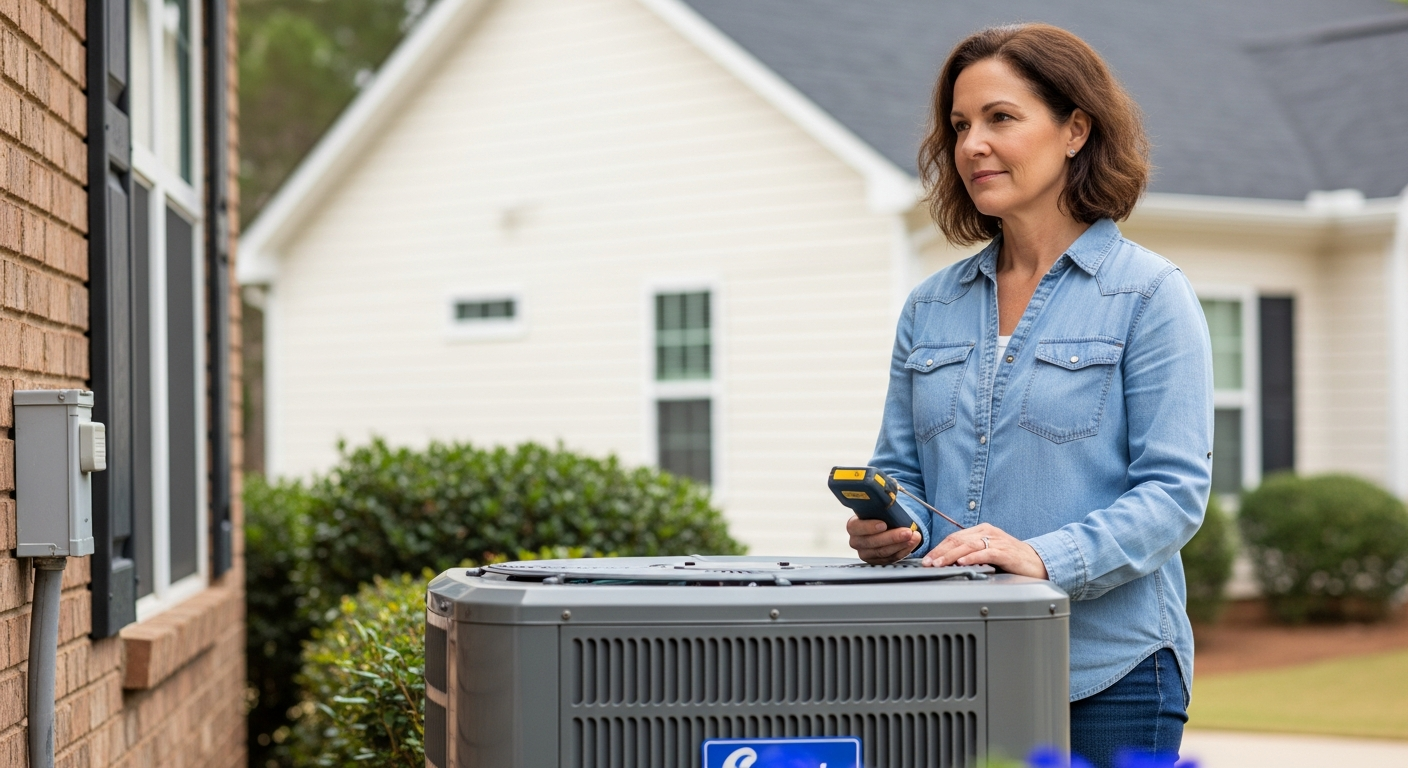
AC sizing isn’t about installing the biggest unit that fits your budget. A properly sized system removes exactly the right amount of heat and humidity for your specific home. Oversized units cool spaces too quickly, shutting off before completing full dehumidification cycles. This creates that clammy feeling Fort Lawn residents know well – when your thermostat reads 72°F but your home still feels uncomfortable.
ACCA Manual J calculations factor in your home’s square footage, insulation levels, window types, and local climate data. Fort Lawn’s location in the South Carolina Piedmont means systems must handle both sensible heat (actual temperature) and latent heat (moisture removal). According to NOAA climate data, Chester County averages 76% relative humidity during July and August peak cooling months.
Think of AC sizing like buying shoes – too small and you’re uncomfortable, too large and you can’t walk properly. An oversized AC cools your home in short bursts, never running long enough to properly dehumidify. The result: higher electric bills from inefficient operation and that sticky indoor air that makes you constantly adjust the thermostat.
HVAC Load Calculation Fort Lawn SC Factors
Fort Lawn’s housing stock presents unique challenges for accurate load calculations. Many homes date to the 1940s-1970s when insulation standards were minimal. These older structures, particularly around the historic mill village areas near Highway 9, often have single-pane windows and minimal wall insulation. Newer construction in subdivisions like those near Fort Lawn Elementary typically feature better building envelopes but may have been built with contractor-grade equipment sized by rules of thumb rather than proper calculations.
Chester County’s clay soil composition affects basement and crawl space moisture levels, impacting cooling loads. The area’s elevation of approximately 600 feet above sea level creates slightly different pressure conditions than Rock Hill’s 670-foot elevation, though both experience similar humidity challenges from their proximity to the Catawba River watershed.
Local electrical rates from Duke Energy average $0.12 per kWh during summer months. An oversized 4-ton system running inefficiently can cost $200-300 more per summer than a properly sized 3-ton unit. Fort Lawn’s older homes often have undersized electrical panels – 100-amp service was common through the 1980s – which may require upgrades when installing high-efficiency systems that draw different electrical loads than older units.
The South Carolina Energy Code requires HVAC contractors to perform load calculations for new installations, but enforcement varies by jurisdiction. Chester County building permits require load calculations for system replacements over 65,000 BTU capacity, covering most residential installations.
Summer Energy Savings AC Fort Lawn Signs
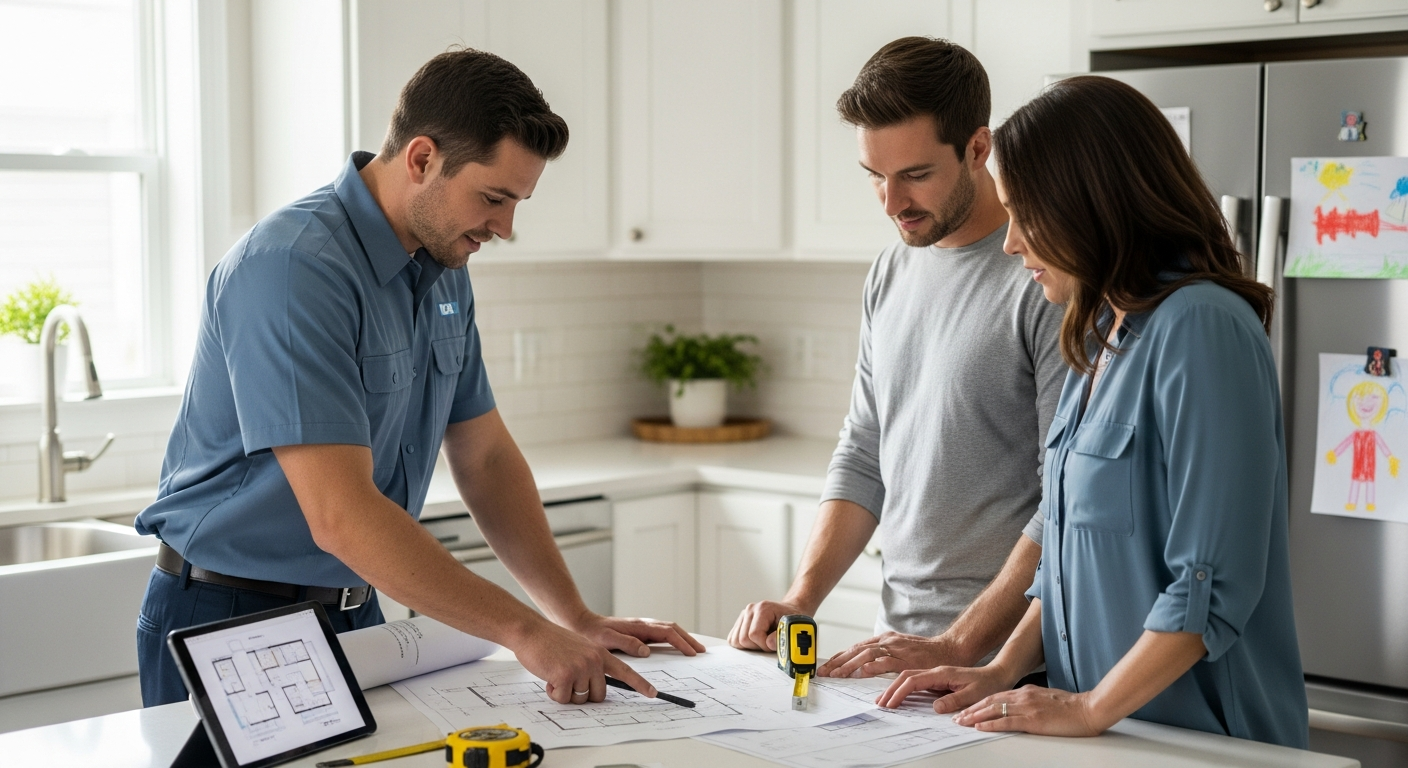
Your monthly Duke Energy bill tells the story of improper sizing. Systems that short cycle – running for 10-15 minute intervals instead of steady 20-30 minute cycles – waste energy during startup. Each time your AC starts, it draws 3-5 times normal operating amperage for several minutes.
Watch for humidity problems that drive up cooling costs. Fort Lawn homes with oversized systems often run dehumidifiers year-round, adding 300-600 watts of continuous electrical load. Properly sized AC systems should maintain 45-50% indoor humidity without supplemental dehumidification during normal summer weather.
Ice formation on indoor coils during humid weather indicates sizing problems. Oversized systems don’t run long enough to achieve steady-state operation, causing erratic refrigerant pressures that can freeze coils even when outdoor temperatures exceed 80°F.
Oversized AC Problems Fort Lawn Residents Face

Temperature swings create the most noticeable comfort issues with oversized systems. Fort Lawn’s typical summer day might start at 78°F at 7 AM, reach 94°F by 3 PM, then cool to 82°F by 9 PM. An oversized system cools too quickly during morning and evening hours, creating 4-6 degree temperature swings that make homes feel alternately stuffy and chilly.
Atlas Heating & Cooling’s technician Stephen recently worked on a 1960s ranch home near Fort Lawn’s town center where the homeowner had installed a 5-ton system in a house that calculated for 3.5 tons. The system ran for 8-12 minutes every half hour, never removing humidity effectively. Indoor relative humidity measured 68% even with the thermostat set to 70°F. After installing a properly sized variable-speed 3.5-ton system with enhanced dehumidification capabilities, the home maintained 72°F at 47% humidity with 23% lower monthly energy costs.
Oversized systems also wear out faster. Starting and stopping frequently stresses compressor components more than steady operation. Atlas Heating & Cooling tracks average compressor life across different installation scenarios – properly sized systems in Fort Lawn typically operate 15-18 years, while oversized units average 10-12 years before requiring major repairs.
The company’s load calculation process includes measuring actual ductwork dimensions, testing for air leaks using calibrated flow meters, and documenting insulation levels throughout the home. William Smith Jr. notes that many Fort Lawn homes have ductwork installed in unconditioned crawl spaces where summer temperatures reach 95-100°F, significantly impacting cooling loads that generic sizing charts don’t account for.
AC Dehumidification Efficiency Fort Lawn Solutions
Proper AC sizing directly impacts your system’s ability to control Fort Lawn’s oppressive summer humidity. Systems must run long enough – typically 15-20 minutes minimum – to achieve steady refrigerant pressures that maximize moisture removal. Short cycling prevents coils from reaching optimal dehumidification temperatures.
Modern variable-speed systems offer enhanced humidity control through longer, lower-capacity operation. These systems can remove 30-40% more moisture than single-speed units of equivalent tonnage. Fort Lawn’s climate benefits particularly from systems with dedicated dehumidification modes that can operate at reduced cooling capacity while maintaining maximum moisture removal.
For comprehensive AC installation services that prioritize proper sizing, Atlas Heating & Cooling provides detailed load calculations and system recommendations tailored to Fort Lawn’s specific climate challenges. Their preventive maintenance programs help ensure systems maintain peak dehumidification efficiency throughout their operational life.
Call Atlas Heating & Cooling at (803) 592-7222 for a professional load calculation that addresses Fort Lawn’s unique cooling and dehumidification requirements. Proper sizing isn’t just about comfort – it’s about long-term energy savings and equipment reliability in South Carolina’s demanding summer climate.
Frequently Asked Questions

How much does professional AC sizing cost in Fort Lawn SC?
Professional Manual J load calculations typically cost $150-300 in the Chester County area, though many contractors include this service free with system replacement estimates. Atlas Heating & Cooling provides complimentary load calculations for customers considering new installations, factoring in Fort Lawn’s specific climate conditions and local construction characteristics. The investment pays for itself through improved energy efficiency and equipment longevity.
What size AC do most Fort Lawn homes need?
Most Fort Lawn homes require 2.5-4 ton systems depending on square footage, insulation levels, and construction era. Older homes built before 1980 often need larger capacity due to minimal insulation and single-pane windows, while newer construction with modern building envelopes may require 20-30% less capacity than outdated sizing rules suggest. Proper load calculations account for Fort Lawn’s 95°F design temperature and high humidity levels that increase cooling requirements beyond simple square footage formulas.
Can I reduce my Fort Lawn AC size when upgrading to high-efficiency equipment?
High-efficiency systems often allow downsizing by 0.5-1 ton compared to older equipment due to improved heat exchange and variable-speed operation. Fort Lawn homes upgrading from 10-12 SEER systems to modern 16+ SEER variable-speed units frequently discover they were oversized originally. However, downsizing decisions must be based on current load calculations rather than assumptions, as home improvements like added insulation or window replacements may have changed cooling requirements since original installation.