High humidity transforms Lesslie into a breeding ground for indoor mold, with summer levels consistently reaching 75-85% according to the National Weather Service Charlotte office monitoring York County conditions.
What to Do About Humidity-Driven Mold in Lesslie
- Run exhaust fans for 30 minutes after showers, especially in Lesslie’s older ranch homes where bathroom ventilation was minimal
- Check crawl spaces monthly for standing water, common in Lesslie properties built near Steele Creek tributaries
- Set AC to “auto” fan mode instead of “on” to prevent moisture circulation during humid spells
- Monitor indoor humidity with a hygrometer – keep levels between 30-50% year-round
- Inspect HVAC ductwork in attics where Lesslie’s clay soil shifts can disconnect joints
- Clean AC drain lines quarterly using white vinegar to prevent algae buildup that blocks moisture removal
Understanding Lesslie SC Humidity Levels and Mold Formation
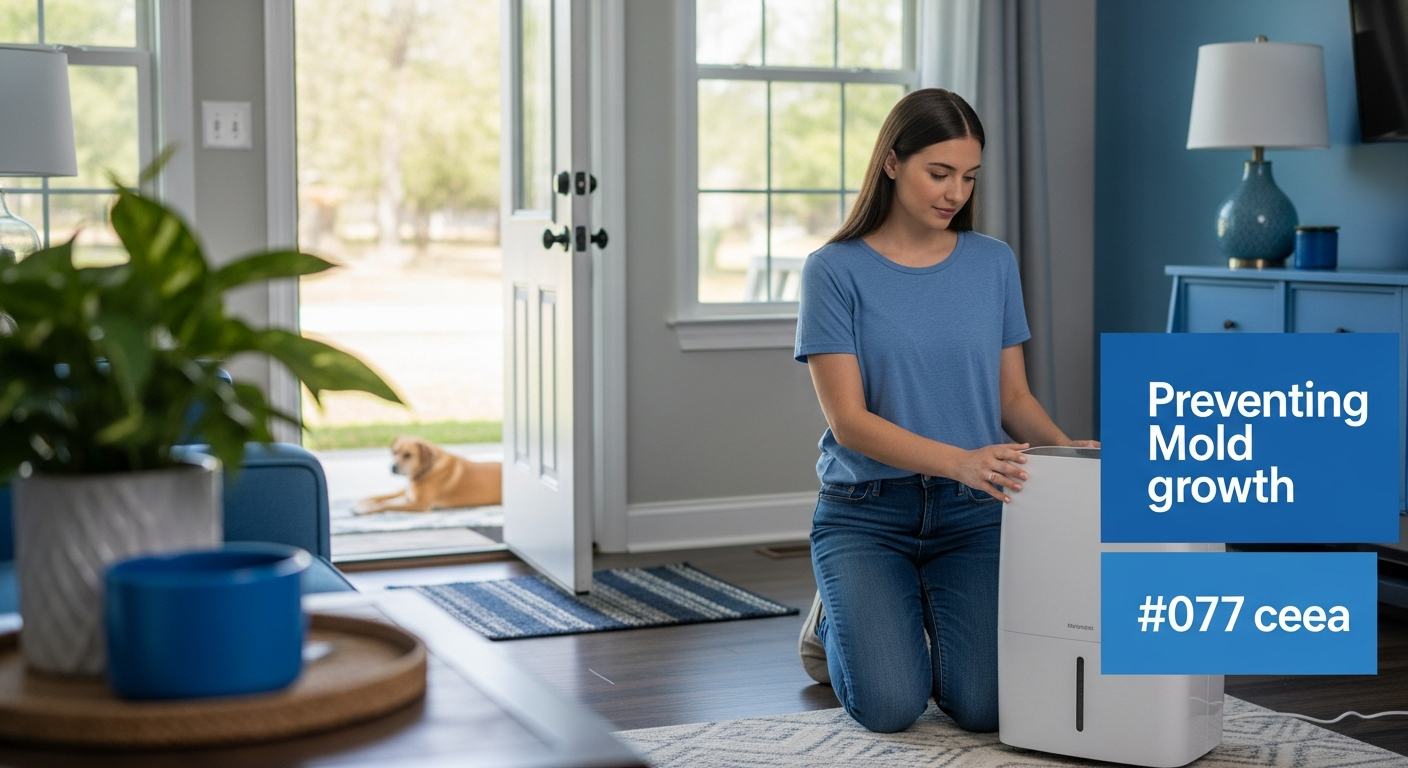
Lesslie experiences what meteorologists call a “humidity trap” during summer months when warm, moisture-laden air from the southeast meets the cooler Catawba River valley. NOAA weather data shows York County averages 76% relative humidity in July, but Lesslie often exceeds 80% due to its geographic position between the river and surrounding wetlands.
Mold spores become active when indoor humidity surpasses 60% for more than 48 hours. These microscopic fungi need three conditions to colonize your home: moisture, organic material like wood or drywall, and temperatures between 77-86°F. Lesslie homes hit this combination regularly because summer indoor temperatures match outdoor conditions while humidity infiltrates through foundation gaps, window seals, and HVAC systems working overtime.
The process accelerates quickly. Within 24-72 hours of sustained high humidity, mold begins growing on surfaces you cannot see – inside wall cavities, under flooring, and within ductwork. By the time visible growth appears on walls or ceilings, colonies have often spread throughout hidden areas of your home’s structure.
How Lesslie’s Geography Creates Indoor Moisture Problems
Lesslie sits where multiple water sources converge to create persistent humidity challenges. The community lies roughly two miles east of the Catawba River, with Steele Creek and several unnamed tributaries threading through neighborhoods like Lesslie Crossing and areas near Highway 5. This network of waterways keeps soil moisture high and creates localized fog that increases outdoor humidity by 10-15% compared to Rock Hill’s downtown area.
The predominant soil type in Lesslie is Cecil clay loam, which the USDA soil survey identifies as having poor drainage characteristics. This clay-heavy composition prevents rainwater from percolating quickly, keeping ground moisture elevated for days after precipitation. Homes in subdivisions like Riverchase, Steele Creek Plantation, and neighborhoods along Gold Hill Road experience foundation moisture intrusion because the clay acts like a bowl, collecting and holding water around basement walls and crawl spaces.
Weather patterns compound the issue. Lesslie receives an average of 43 inches of rainfall annually, with 60% falling between May and September when temperatures peak. South Carolina climatology data shows the area experiences 15-20 days per summer where humidity never drops below 70%, even overnight. These extended humid periods overwhelm natural ventilation in homes, especially those built before 1990 when building codes required minimal mechanical ventilation.
Atlas Heating & Cooling technician Grady Armstrong notes that Lesslie service calls frequently involve homes where outdoor humidity migrates indoors through inadequate vapor barriers. Many properties in established neighborhoods like those near Highway 5 and Gold Hill Road were constructed when builders used 4-mil plastic sheeting instead of today’s 6-mil standards, allowing moisture to penetrate foundation walls during humid weather.
Recognizing Early Signs of Humidity Problems
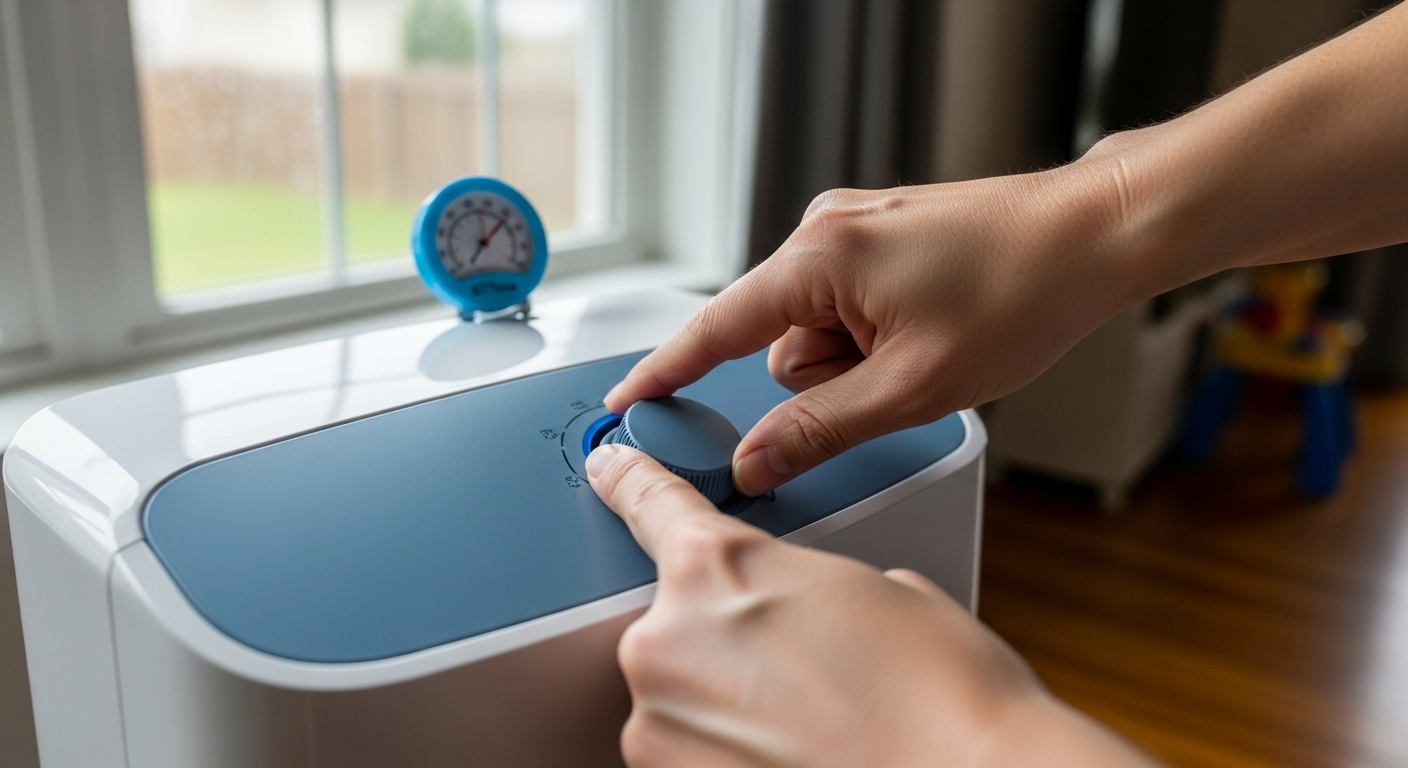
Homeowners in Lesslie should watch for subtle indicators that indoor humidity has reached mold-promoting levels before visible growth appears. The first sign often shows up as condensation on windows during early morning hours, even when outdoor temperatures remain above 70°F. This occurs because indoor humidity exceeds the dew point, causing water vapor to condense on the coolest surfaces available.
Musty odors represent another early warning, particularly in basements, crawl spaces, and rooms above them. The smell indicates mold spores have begun reproducing, releasing volatile organic compounds that create the characteristic “basement” scent many Lesslie residents dismiss as normal. Atlas Heating & Cooling receives calls from homeowners who notice this odor intensifying after rainy periods when soil moisture increases around foundations.
Whole Home Dehumidifier Benefits for Rock Hill Area Properties
Whole-home dehumidification systems address Lesslie’s humidity challenges more effectively than portable units because they integrate with existing HVAC infrastructure to control moisture throughout the entire house. These systems install directly into your ductwork, removing 70-150 pints of moisture daily depending on model size and home square footage.
Atlas Heating & Cooling installs dehumidifiers sized through Manual J load calculations that account for Lesslie’s specific climate conditions. The company’s approach considers factors like home orientation, window placement, and proximity to water sources when determining equipment capacity.
The energy efficiency benefits become apparent during Lesslie’s humid summers when whole-home dehumidifiers allow homeowners to set thermostats 2-3 degrees higher while maintaining comfort. Dry air feels cooler than humid air at the same temperature, reducing AC runtime and lowering electricity costs.
Atlas Heating & Cooling’s Comprehensive Moisture Control Approach

Atlas Heating & Cooling addresses humidity and mold prevention through systematic evaluation of each home’s unique moisture sources and HVAC performance. Their technicians begin with indoor air quality testing to establish baseline humidity levels throughout different areas of the house, paying special attention to problem zones like basements, crawl spaces, and rooms with poor air circulation.
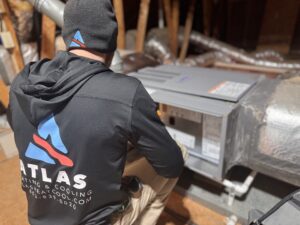
The company’s diagnostic process includes complete ductwork inspection, checking for disconnected joints, inadequate insulation, and leaks that allow humid outdoor air to infiltrate the system.
Their solution methodology integrates multiple components: whole-home dehumidifiers, improved ventilation, duct sealing, and strategic placement of exhaust fans. For homes in Lesslie’s clay soil areas, Atlas Heating & Cooling often recommends crawl space encapsulation combined with dedicated dehumidification to address ground moisture intrusion.
Indoor Air Quality Solutions for Long-Term Mold Prevention
Preventing mold growth requires ongoing humidity management combined with air purification systems that capture spores before they can colonize surfaces. Atlas Heating & Cooling designs comprehensive indoor air quality solutions that address both current moisture problems and future prevention through integrated HVAC improvements.
Their approach often includes UV light installation within ductwork to neutralize mold spores, bacteria, and other biological contaminants circulating through the air system. Combined with whole-home dehumidification, these UV systems create an environment where mold cannot establish colonies even when outdoor humidity levels remain high. The company’s Atlas Assurance Member program includes annual UV bulb replacement and system cleaning to maintain effectiveness throughout Lesslie’s challenging summer months.
For Lesslie residents dealing with persistent humidity issues, Atlas Heating & Cooling provides ongoing monitoring and adjustment services. Their maintenance plans include quarterly humidity level checks, seasonal dehumidifier calibration, and proactive filter changes that maintain optimal air quality. This systematic approach has proven effective for customers in moisture-prone areas near Steele Creek and other water sources where environmental conditions favor mold growth.
Contact Atlas Heating & Cooling at (803) 628-0160 for professional humidity assessment and indoor air quality solutions designed specifically for Lesslie’s challenging climate conditions. Their factory-trained technicians provide same-day service across York County, with upfront pricing and comprehensive solutions that address both immediate moisture problems and long-term mold prevention strategies. Don’t wait for visible mold growth to appear – proactive humidity control protects your home’s structure and your family’s health throughout the humid summer months.
Frequently Asked Questions
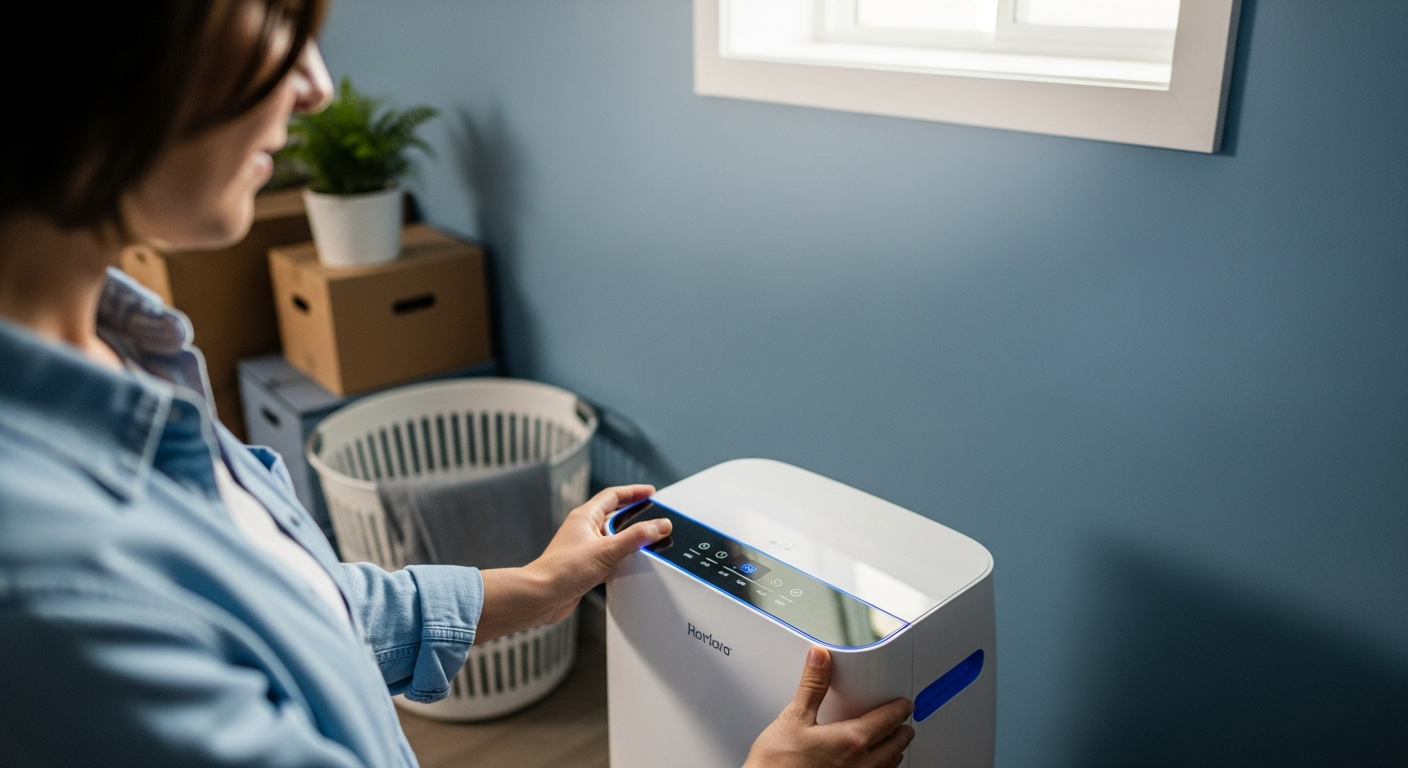
What humidity level should I maintain in my Lesslie home to prevent mold growth?
Keep indoor humidity between 30-50% year-round, with 45% being optimal for Lesslie’s climate conditions. During summer months when outdoor humidity exceeds 80%, your HVAC system and dehumidification equipment must work continuously to maintain these levels. Monitor humidity in basements and crawl spaces separately, as these areas often run 10-15% higher than main living spaces due to ground moisture intrusion common in Lesslie’s clay soil areas.
How quickly can mold start growing in my home during humid Lesslie summers?
Mold spores begin reproducing within 24-48 hours when humidity exceeds 60% and temperatures remain above 77°F. Lesslie homes experience these conditions regularly from June through September, making rapid response essential when humidity levels spike. Visible growth typically appears after 72-96 hours of sustained high moisture, but colonies establish in hidden areas like wall cavities and ductwork much earlier.
Do whole-home dehumidifiers work effectively in Lesslie’s high humidity climate?
Whole-home dehumidifiers perform exceptionally well in Lesslie when properly sized for local conditions and integrated with existing HVAC systems. Units rated for 70-150 pints daily capacity handle the area’s summer humidity loads while reducing energy costs by allowing higher thermostat settings. Atlas Heating & Cooling sizes equipment based on home square footage, occupancy levels, and proximity to water sources like Steele Creek to ensure adequate moisture removal during peak humidity periods.