A water heater pressure relief valve leaking means the T&P safety valve is releasing excess temperature or pressure, or the valve can no longer seal. Keep away from the discharge pipe, turn off the heater’s energy source if it is safe, and arrange professional diagnosis. Never cap the pipe, block the valve, or pull the test lever on a leaking valve.
A few drops and a forceful stream carry different urgency, but neither should be ignored. This guide explains safe first actions, likely causes, professional diagnosis, and repair-versus-replacement indicators.
What does a water heater T&P relief valve do?
A water heater temperature and pressure relief valve, or T&P valve, automatically releases hot water when a storage tank crosses its safety limits. This prevents heat or pressure from continuing to build.
Most residential T&P valves are designed around two limits. A Rheem technical bulletin states that the valve opens above 150 psi or at 210°F, then remains open until the unsafe condition passes. The approved valve must match the heater’s rating plate and manufacturer requirements.
The valve usually sits near the top of the tank, with a discharge pipe leading to a safe termination point. Leakage belongs in a professional water heater repair diagnosis, not a quick attempt to silence the symptom.
How can you tell a slow drip from active T&P discharge?
A slow drip produces separate drops or an intermittent trickle. Active discharge is a sustained stream, spray, or release of very hot water or steam. Observe from a safe distance without touching the valve, pipe, or water.
| What you observe | What it may indicate | Safe response |
|---|---|---|
| A few drops after a heating cycle | Thermal expansion, high supply pressure, or a valve that does not seat fully | Stop using the heater and schedule prompt diagnosis |
| A continuous trickle | Ongoing pressure, a damaged valve, or debris at the valve seat | Turn off the energy source if safe and call for service |
| A forceful stream, spray, steam, or unusually hot water | Active relief of an overheating or overpressure condition | Keep everyone away, shut down the heater if safe, and seek urgent help |
| Moisture around the valve threads rather than from the pipe outlet | A leaking connection or valve body | Leave the assembly alone and have the source confirmed |
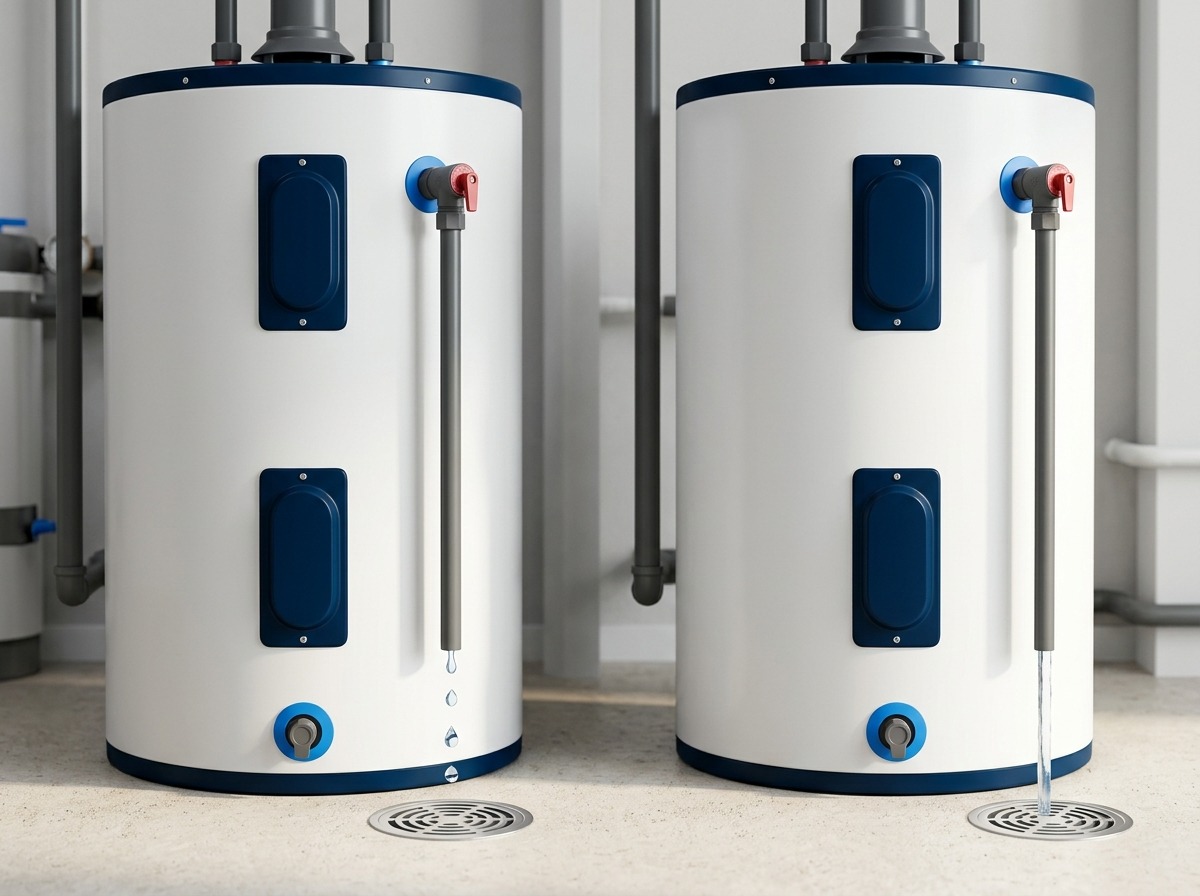
Discharge often runs into a pan or collects at the base, mimicking tank failure. Water emerging from beneath the jacket may instead signal corrosion. Atlas’s guide to a water heater leaking from the bottom covers that separate source and its shutdown priorities.
What should you do when the pressure relief valve is leaking?
Treat a leaking pressure relief valve as a safety warning. The discharge can scald, and standing water near electrical components adds another hazard.
- Keep people and pets away. Stay clear of the valve and the open end of the discharge pipe. Do not place a hand, towel, bucket, or thermometer in the flow.
- Turn off the heat source if safely accessible. For an electric heater, use its dedicated breaker from a dry location. For a gas heater, use the labeled control only if there is no gas odor and no hot water blocks access.
- Close the cold-water supply only if heavy flow continues and the valve is safely reachable. Shut off the heat source first. Do not walk through water or reach past the discharge pipe.
- Leave if you smell gas or see an electrical danger. From outside, contact the gas utility or emergency services as appropriate. Do not operate switches inside.
- Call a qualified service professional. Report whether you saw drops, a steady stream, steam, unusually hot tap water, or water around electrical components.
Do not restart the heater until the cause has been identified and the safety system has been confirmed operational.
Why does a water heater pressure relief valve leak?
A water heater pressure relief valve leaks for four main reasons: excessive temperature, high supply pressure, thermal expansion, or a worn or contaminated valve. Discharge patterns suggest possibilities but do not prove the cause.
Is the water temperature too high?
An incorrect setting, failed thermostat, or failed temperature control can overheat the tank. Water that suddenly feels much hotter than normal is an important clue, especially when the discharge is forceful.
The T&P valve’s emergency temperature limit is not a normal operating target. The U.S. Consumer Product Safety Commission urges households to use a 120°F water-heater setting to reduce scald risk and notes that 150°F water can cause a third-degree burn in two seconds. For the normal setting tradeoffs, use Atlas’s water heater temperature guide. A suspected control failure needs service rather than repeated dial adjustments.
Is the incoming water pressure too high?
High supply pressure can push the tank toward the valve’s limit. Because pressure varies, one normal reading may not rule out spikes. A professional can check static pressure, heating-cycle pressure, and pressure-reducing equipment.
Is thermal expansion raising pressure?
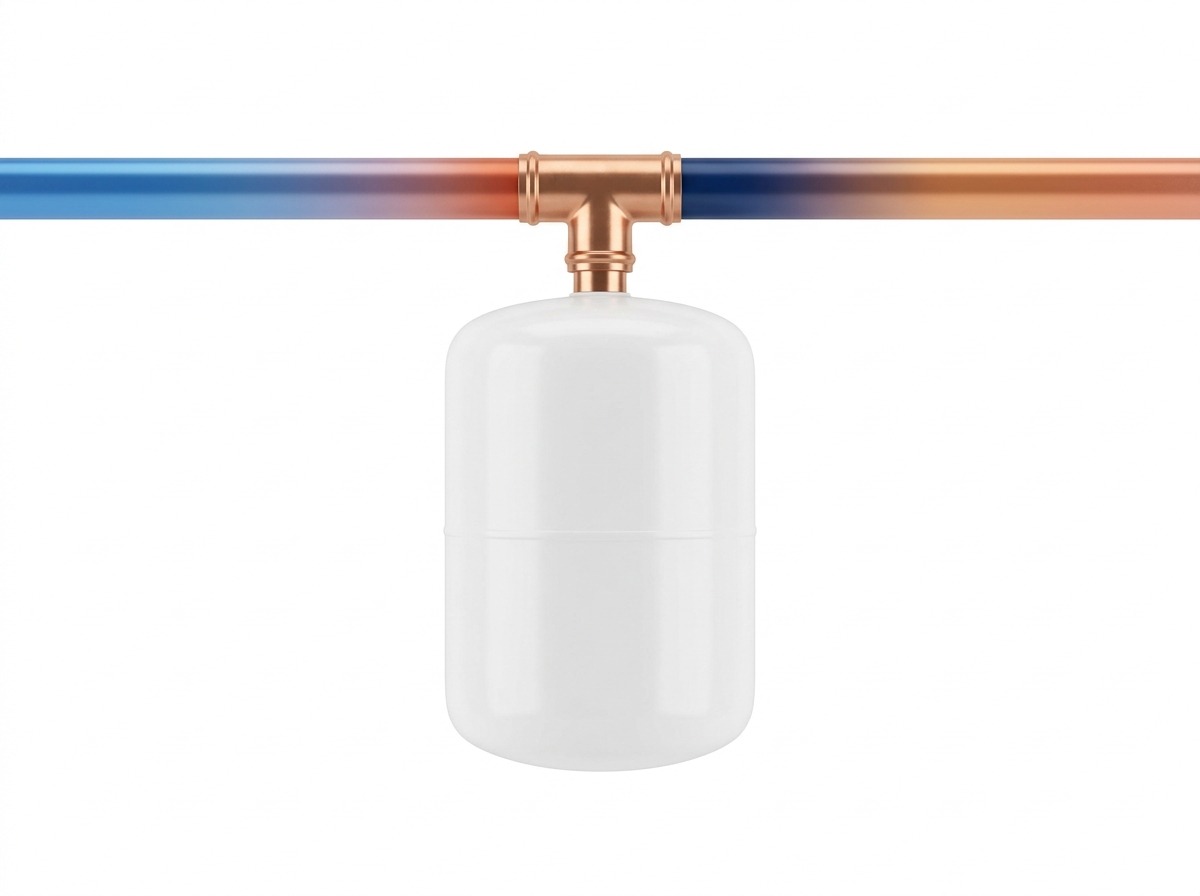
Thermal expansion occurs because water takes up more volume as it heats. In a closed plumbing system, a check valve, backflow preventer, or some pressure-reducing valves can prevent expanded water from moving back toward the public main. Pressure can then rise during each heating cycle.
A. O. Smith’s water-heater maintenance guidance explains that T&P valves may drip from high water pressure or thermal expansion in a closed system. It advises controlling pressure and addressing thermal expansion before replacing a dripping valve. A missing, undersized, waterlogged, or incorrectly charged expansion tank may be part of the diagnosis.
Is the T&P valve worn or unable to seal?
Worn, corroded, or debris-coated sealing surfaces can leak. Water may also escape at the threaded connection or valve body. Any replacement must have the correct pressure rating and discharge capacity for that heater.
What should you never do to a leaking T&P valve?
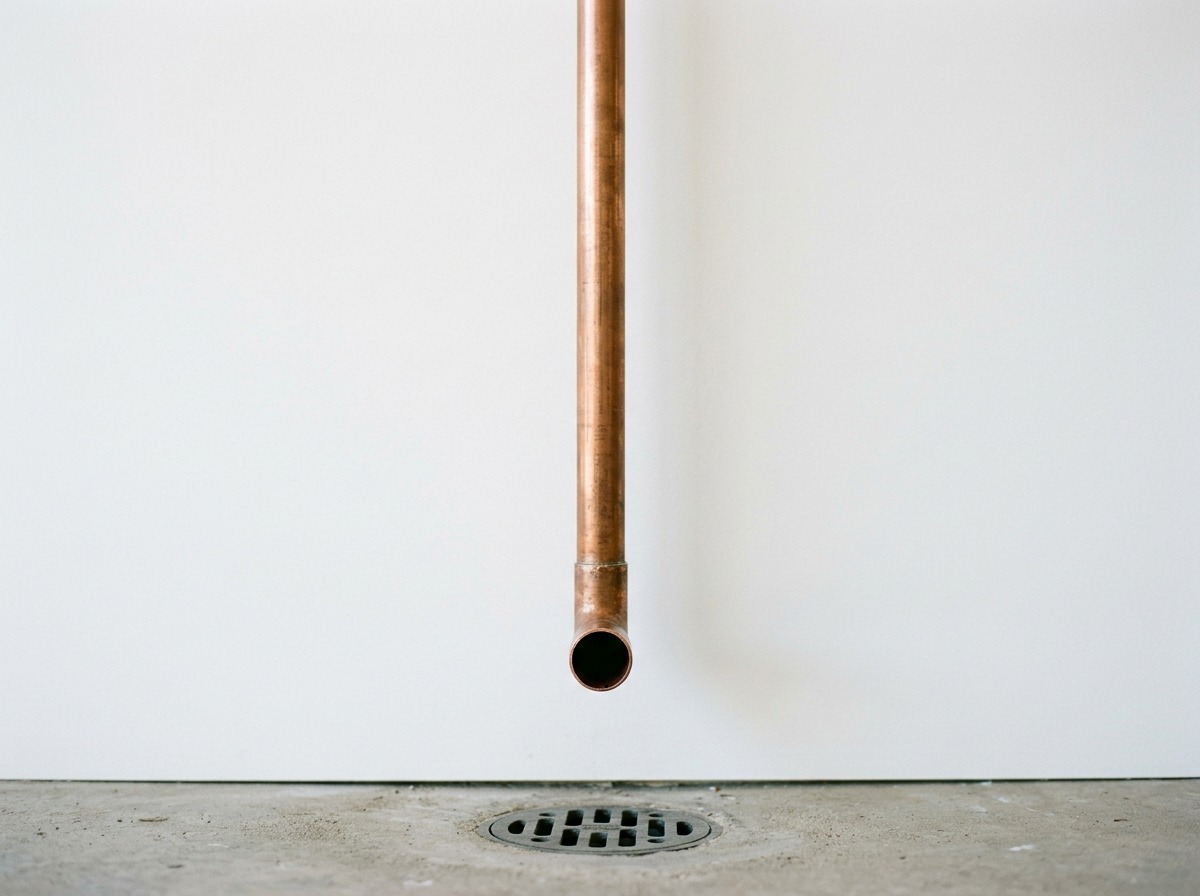
Never block, cap, plug, clamp, or disable a leaking T&P valve or its discharge pipe. That removes the path intended to release dangerous temperature and pressure. Do not operate the test lever on a suspect valve, and do not keep restarting a heater that is actively discharging.
Also avoid these unsafe shortcuts:
- Do not install a shutoff valve anywhere between the tank, relief valve, and discharge termination.
- Do not reduce the discharge pipe diameter or route it into a sealed container.
- Do not remove the pipe to stop a drip from reaching the floor.
- Do not replace only the valve without checking temperature, supply pressure, and thermal expansion.
- Do not assume a drain pan makes continued operation safe.
The International Residential Code’s model requirements call for relief discharge to avoid injury or structural damage, remain readily observable, and have no valve or reduction in the line. Local requirements and the heater manual govern the actual installation.
How does a professional diagnose a leaking T&P valve?
A professional diagnosis separates the failed part from the condition that triggered it. Installing a new valve can leave the same pressure or temperature problem in place.
The inspection generally answers these questions:
- Is water exiting the discharge pipe, seeping around the valve threads, or coming from the tank body?
- What is the actual hot-water temperature, and do the controls stop heating correctly?
- What are the static supply pressure and the peak pressure during a full heating cycle?
- Is the plumbing system closed, and does its expansion control match the heater and supply pressure?
- Does the valve match the tank rating, and is the discharge pipe correctly sized, routed, and unobstructed?
- Are the tank, fittings, jacket, and nearby electrical components dry and structurally sound?
Photos and timing can help. From a safe distance, note whether dripping follows hot-water use or remains continuous. Atlas’s water heater resource hub can help organize other symptoms without touching the safety assembly.
Should you repair the valve or replace the water heater?
Repair usually fits when the tank is sound and the confirmed fault is external. Replacement fits when the tank or heater structure has failed, not merely because water appeared at the discharge pipe.
| Diagnosis | Likely path |
|---|---|
| Faulty T&P valve with normal temperature and pressure | Install the correctly rated valve and verify operation |
| High incoming pressure | Correct the pressure-control problem, then reassess the valve |
| Thermal expansion in a closed system | Correctly size or restore expansion control, then address any damaged valve |
| Failed thermostat or control | Repair the control and confirm safe temperature operation |
| Leak from the tank body, bulging, or severe tank corrosion | Replace the water heater |
| Water-damaged electrical controls or insulation | Follow the manufacturer’s safety guidance, which may require replacement |
Age, repair history, repeated failures, and tank condition should support the decision, not replace diagnosis. Atlas’s water heater repair-versus-replacement guide covers those broader indicators without confusing a serviceable T&P assembly with a corroded tank.
What else should you know about a leaking pressure relief valve?
Can I keep using hot water if the T&P valve is dripping?
No, do not keep heating the tank until the cause of the drip has been evaluated. A slow drip may come from thermal expansion or a worn valve, but continued operation can hide a worsening pressure or control problem.
Will replacing the pressure relief valve stop the leak?
A new valve stops the leak only when the old valve is the actual fault. If high pressure, overheating, or unmanaged thermal expansion caused the discharge, replacing the valve alone will not correct that condition.
Can an expansion tank stop T&P valve dripping?
A properly sized and functioning expansion tank can stop cycle-related pressure rise when thermal expansion in a closed system is the confirmed cause. It will not fix an overheating control, excessive supply pressure, a damaged T&P valve, or a leaking storage tank.
Why does the relief valve drip after showers or laundry?
Dripping after heavy hot-water use can coincide with the heater’s recovery cycle, when a large volume of cold replacement water heats and expands. That timing suggests thermal expansion, but a pressure measurement through the complete heating cycle is needed to confirm it.
Do you need T&P valve diagnosis in Rock Hill?
Atlas Heating & Cooling can trace T&P discharge to the valve, temperature controls, pressure, thermal expansion, or tank. For a repair-or-replacement recommendation in Rock Hill, York County, or the surrounding Atlas service area, request water heater repair service or book a service visit. Report any active hot-water or steam discharge when booking.